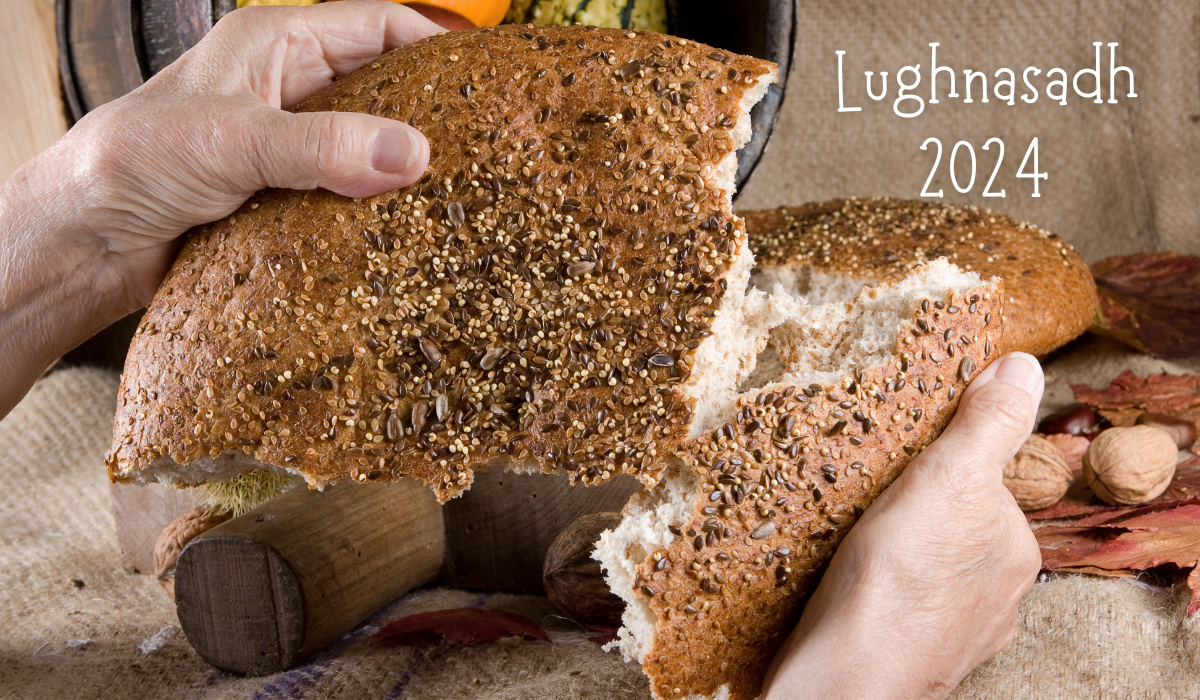
Lughnasadh, also known as Lammas, marks the beginning of the three harvest Sabbats in the Wiccan Wheel of the Year. Celebrated on August 1st, this festival honors the Celtic Sun God Lugh and is primarily a grain festival, celebrating the first harvest of corn, wheat, and barley.
The Theme of Sacrifice
One of the central themes of Lughnasadh is sacrifice, which is integral to ensuring a bountiful harvest. This theme is deeply rooted in the story of Lugh’s foster mother, the Earth goddess Tailtiu, who died while clearing the land for the harvest. This act of sacrifice is mirrored in the traditional practice of throwing some of the harvested grains back onto the fields as an offering to the fairies and spirits. This act acknowledges the reciprocity of nature—the cycle of life where plants and animals die, decompose, and nourish the earth, allowing new life to emerge.
As modern practitioners, we can honor this theme of sacrifice and reciprocity by donating food to local food banks, sharing our abundance with those in need, and ensuring that the cycle of giving and receiving continues.
Corn and Grain Deities
Corn holds special significance during Lughnasadh, and deities associated with corn and grain are often honored. These deities include:
- Ceres: The Roman goddess of agriculture, grain crops, fertility, and motherly relationships.
- Demeter: The Greek goddess of the harvest, who presides over grains and the fertility of the earth.
- Persephone: The daughter of Demeter, who also plays a crucial role in the cycle of the seasons and the growth of crops.
Festive Activities
Lughnasadh is a time of celebration and community, marked by various activities that honor the first harvest. Some popular practices include:
- Making Corn Dollies: These traditional figures are crafted from the last sheaf of the harvest and are believed to hold the spirit of the crop, ensuring fertility and prosperity for the next season.
- First-Harvest Celebration Parties: Gather with friends and family to share the bounty of freshly picked produce. This can include fresh baked bread, corn, berries, and other seasonal fruits and vegetables. Kohlrabi, a lesser-known but nutritious vegetable, is also a great addition to the feast.
- Ritual of Breaking Bread: As a symbol of sharing abundance, breaking and sharing bread during rituals and meals connects participants to the harvest and to each other.
Symbols and Associations
Lughnasadh is rich with symbols that enhance its spiritual significance:
- Animals: Phoenixes, griffons, and roosters are all associated with this sabbat, symbolizing transformation, protection, and the heralding of new beginnings.
- Full Moon: The full moon is a powerful symbol of abundance and completion, aligning perfectly with the themes of Lughnasadh.
- Colors: Red, gold, yellow, green, and orange are the colors of this sabbat, representing the vibrant hues of the harvest season.
- Stones: Peridot and citrine are two stones connected to Lughnasadh, both known for their properties of abundance and prosperity.
- Ritual Oils: Eucalyptus and safflower oil can be used in rituals to invoke the energies of health, renewal, and abundance.
As we celebrate Lughnasadh, we embrace the cycles of nature, honor the sacrifices that make our abundance possible, and share our harvest with those around us.