Celebrating Lughnasadh
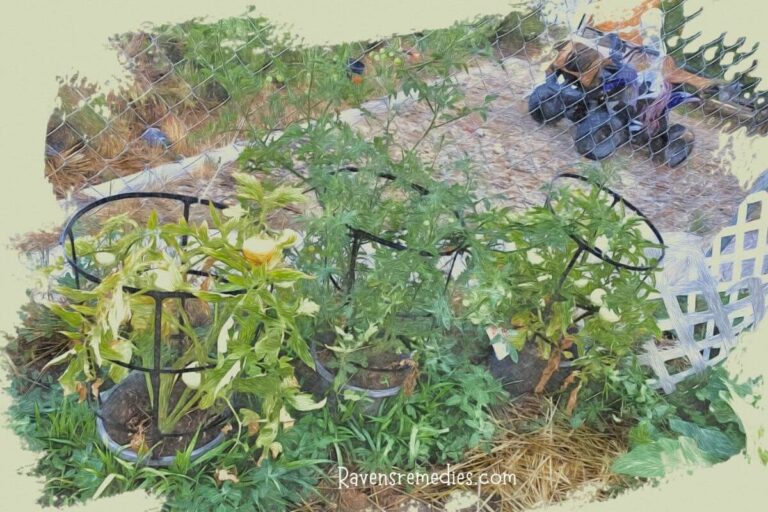
It is midsummer and I am relieved the Summer is half over. Each season has its own qualities and idiosyncrasies that can be appreciated and that is why I love Pagan holidays (sabbats). The pagan sabbats celebrate the seasons and mid-seasons. I think it is helpful to mark the midway point of seasons so we realize the timing of the cycle; where we are and where is nature in her cycle. I’ve just started my first garden so this is even more practical for me with the focus on the harvest. Let me tell you a bit about Lughnasadh.
As the summer sun reaches its peak and the days start to grow shorter, Pagans around the world come together to celebrate the sabbat of Lughnasadh, also known as Lammas. This ancient festival, held on August 1st or thereabouts in the Northern Hemisphere, marks the first harvest of the year and honors the Celtic sun god Lugh, but is primarily a grain festival. Lugh was a god of many skills, including taking human form to worship with the Druids. Lughnasadh, pronounced loo-nuh-suh, is a time of gratitude, abundance, and connection to the bountiful energies of nature. Next, I explore the traditions, foods, herbs, oils, and crystals associated with this sacred holiday.
The Spirit of Lughnasadh:
Lughnasadh is a time to honor the cycle of life, celebrate the gifts of the Earth, and express gratitude for the fruits of our labor. It is a reminder of the interdependence between humanity and nature, and a celebration of the agricultural practices that sustain us. This sabbat is an opportunity to acknowledge the abundance around us and to share our blessings with others.
Colors:
- Gold/Yellow: The color gold or yellow represents the ripening of the grains and the sun’s power at its peak during the summer. It symbolizes abundance, prosperity, and the fruitful harvest.
- Orange: Orange is another color associated with Lughnasadh, representing the warmth and energy of the sun, as well as the changing colors of the leaves as autumn approaches.
- Brown: Brown represents the Earth and the soil’s fertility, acknowledging the foundational aspect of the harvest season.
Plants:
- Wheat: Wheat is one of the most significant plants associated with Lughnasadh. It represents the first harvest of the year and plays a central role in traditional harvest celebrations. Wheat is often used to create decorations, wreaths, and corn dollies, which are traditional symbols of the harvest.
- Corn/Maize: Corn or maize is another essential plant symbolizing abundance and sustenance during Lughnasadh. In some traditions, cornhusk dolls are made to represent the harvest goddess or the spirit of the grain.
- Barley: Like wheat, barley is a grain crop that is often harvested around Lughnasadh. It symbolizes fertility, abundance, and the cycle of life and death.
- Sunflowers: Sunflowers are vibrant and beautiful symbols of the sun’s energy and are associated with Lughnasadh’s themes of vitality and growth.
- Heather: Heather is a hardy plant that blooms in late summer, and its purple flowers are a lovely addition to Lughnasadh decorations. It represents endurance and transformation.
- Blackberries: As the first berries of the season ripen, blackberries are associated with Lughnasadh, representing the harvest of wild fruits.
- Meadowsweet: Meadowsweet is a fragrant herb associated with Lughnasadh, often used for its medicinal and aromatic properties. It symbolizes blessings and gratitude.
Traditional Foods:
At Lughnasadh, the feasting table is filled with foods that showcase the first harvest’s bounty. Grains are particularly significant during this time as they symbolize the culmination of the growing season. Some traditional foods for Lughnasadh include:
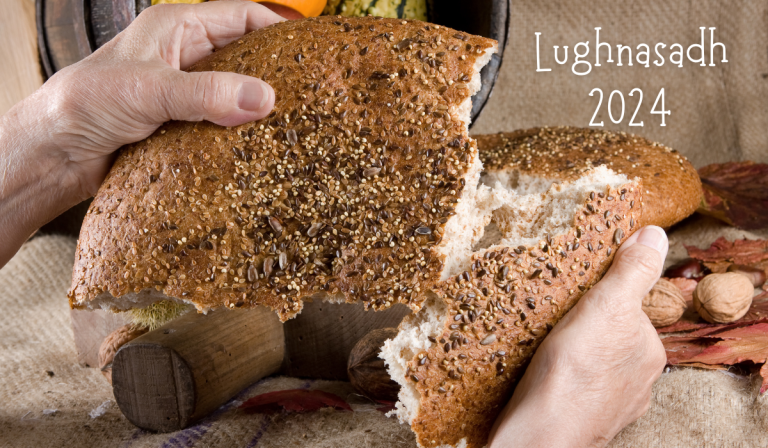
- Bread: Freshly baked bread, especially made from the newly harvested grains, is a central part of the Lughnasadh feast. Sharing bread is a way to foster community and unity.
- Corn: Corn and corn-based dishes are also commonly served to celebrate the abundance of the harvest.
- Berries: As the first fruits of summer ripen, berries are often enjoyed in various forms, such as jams, pies, or simply fresh from the fields.
- Apples: Early apples begin to ripen around Lughnasadh, and they hold a special place in the celebration, symbolizing the cycle of life and the promise of the coming autumn harvest.
- Mead: Honey-based mead is a popular drink during Lughnasadh, symbolizing the sweetness and transformation of the season.
Herbs and Oils:
Herbs and oils are an integral part of many pagan celebrations, and Lughnasadh is no exception. Here are some herbs and oils associated with this sabbat:
- Chamomile: Known for its calming and purifying properties, chamomile is often used to prepare teas or for aromatherapy during Lughnasadh rituals.
- Sunflower: As the sun reaches its peak during the summer, sunflowers symbolize vitality, strength, and optimism. Sunflower oil can be used for anointing candles or tools during ceremonies.
- Lavender: With its soothing fragrance, lavender brings a sense of peace and relaxation to Lughnasadh celebrations.
- Mugwort: Revered for its connection to divination and spiritual insights, mugwort is often used in incense blends during rituals and meditation.
Crystals:
Crystals are believed to hold potent energies that can be harnessed during sacred rituals. For Lughnasadh, the following crystals are commonly associated with the themes of abundance, growth, and gratitude:
- Citrine: Known as the “merchant’s stone,” citrine is believed to attract abundance and prosperity, making it a fitting crystal for Lughnasadh.
- Green Aventurine: This crystal is associated with growth and vitality, aligning perfectly with the flourishing energy of the summer season.
- Carnelian: With its vibrant orange hues, carnelian symbolizes the sun’s energy and is used to enhance creativity and motivation during Lughnasadh celebrations.
- Clear Quartz: As a versatile and powerful crystal, clear quartz can amplify intentions and enhance the energies of other stones used during rituals.
Conclusion:
Lughnasadh, the Pagan Sabbat of Llamas, invites us to pause and connect with the abundant energies of nature. By celebrating the first harvest, we express gratitude for the Earth’s gifts and honor the cycles of life that sustain us. The foods, herbs, oils, and crystals associated with this sacred holiday serve as tools to deepen our connection to the land, the season, and the divine. As we gather to feast and give thanks, may we also remember the importance of community, sharing, and the ever-renewing cycle of life.
My Celebration:
In the morning, I will be doing a meditation with a clear quartz, lighting yellow and orange candles, and giving thanks for things in my life. In the early evening, I will have an outdoor celebration and will be making whole wheat corn bread, barley salad, and perhaps a berry pie. I am going to try this whole wheat cornbread recipe.
If you want to read more about Pagan sabbats, I recommend this book.
Blessed Lughnasadh to all!
This post contains affiliate links. I may receive a commission if you click on a link and make a purchase. For more information please refer to my Disclaimer Statement (link in footer).